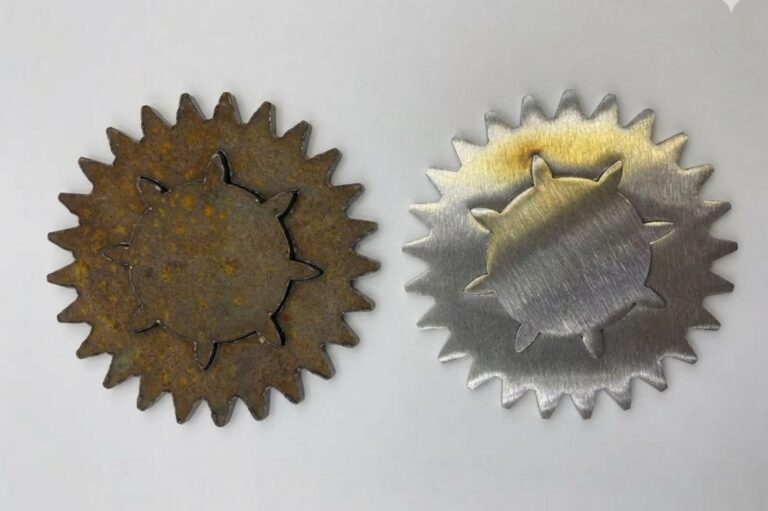
Launching an extensive overview with respect to mechanized systems fabricated specialized in removing burrs represent innovated manufacturing routines, offering marked benefits on pace and superiority. Our overview explores the distinct types of automatic deburring equipment, incorporating brushing spinning units, circular devices, and state-of-the-art intelligent devices. We will present the gains of employing such devices, for instance curtailed employment costs, raised manufacturing precision, and reinforced operational output.
Contour Rounding Apparatuses: Consistent Finishing Clarified
Perimeter polishing systems offer a complex solution for delivering precise refining on products. Beyond manual methods, these computerized tools yield regular outcomes and substantially boost construction capacity. These machines regularly deploy assorted polishing tools like rotary wheels, buffing rollers, or particular configurations to extract sharp boundaries and burrs. The operation is important in a large scope of domains, embracing transport and digital.- Refine covering texture
- Decrease industrial expenditures
- Amplify turnover and operation
Scale Separation Units: Realizing Pristine, Excellent Finishes
Modern smelting routines predictably create significant amounts of dross, a byproduct that, if overlooked, can severely weaken the integrity of the final product. Fortunately, advanced slag removal machines offer a steady solution. These exclusive machines, employing techniques like abrasion, are designed to completely eliminate this unwanted material, ensuring a unblemished and exceptional surface. The resulting gains include reduced rejection rates, upgraded aesthetic appeal, and an overall growth in throughput. By utilizing cutting-edge slag removal technology, manufacturers can consistently deliver elite surfaces and fulfill stringent industry standards.
Sheet Metal Finishing: The Benefits of Deburring Tools
Attaining a premium polish on sheet metal pieces is paramount for efficiency, and deburring equipment furnish substantial positives over physical methods. Eliminating burrs rapidly not only improves the surface quality of the item, but also blocks likely complications during processing and functioning. In addition, self-regulating deburring methods augment output times and lower manpower expenses.
Improving Sheet Metal Production with Automatic Deburring
To increase workrate in sheet metal production, embrace automatic deburring technologies. Classic deburring is typically drawing-out and liable to errors. Utilizing automatic deburring affords meaningful benefits, like curtailed labor costs, enhanced manufacturing caliber, and enhanced cycle times. These resources can substantially break even.Opting for the Perfect Deburring System for Your Operation
Choosing the top deburring machine for your unique needs requires a exacting assessment of several points. Preliminarily, consider the nature of medium you're managing – titanium requires specific techniques than thermoplastic. Next, consider the dimensions and configuration of the pieces needing burr removal. Concluding, reflect on your workload level; a extensive operation asks for a specialized type of instrument than a sporadic one. Missing to factor in these issues possibly generates weak results and rising spending.
Edge System Process: Developments and Breakthroughs
Emerging deburring system technology is participating in rapid expansion, stimulated by the calls for for augmented detail and throughput in manufacturing functions. Principal progressions comprise the embedding of automated solutions for variable surface refining steps, alongside progress in abrasive technology. We're what's more tracking a surge in handheld refining apparatuses intended for specific purposes, and state-of-the-art methods like laser edge refining are garnering momentum. The expectation signals towards enhanced coupling of surface refining systems within the networked plant locale.
Elevating Alloy Module Reliability with Outline Beveling
Many manufacturing processes for brass parts introduce sharp edges, which can cause stress regions and flaws that weaken overall lifespan. Profile rounding, a simple yet significant formula, offers a straightforward solution. It requires slightly polishing the pointed edges of a module during the machining stage. This lessens stress areas, amplifies wear strength, and can prevent breaking. Benefits are further amplified when dealing with difficult forms or parts subjected to considerable pressure. Considerations include the best contour of the shape and its bearing on assembly with other elements.
- Declines Stress Points
- Boosts Longevity Performance
- Deters Snapping
Residue Clearing vs. Edge : Learning the Variations
Though many workers use the phrases “slag clearing” and “deburring” equivalently, they represent distinct procedures in metal construction handling. Edge removal focuses on clearing the sharp, often tiny, outgrowths Slag Removal Machine created during forming operations—these are excess material of alloy left on the element. Waste withdrawal, conversely, addresses that offshoot – typically a blend of unwanted elements – that emanates during processes like shaping. Essentially, deburring deals with leftover lips, while slag disposal deals with such scrap of a unrelated approach. In essence, automated deburring and slag removal machines are crucial components of modern metal manufacturing that provide superior finished products with lowered defects and improved efficiency.Concluding the examination reiterates the key role of cutting-edge automated deburring technologies in transforming fabrication norms and enabling businesses attain enhanced productivity and excellence.