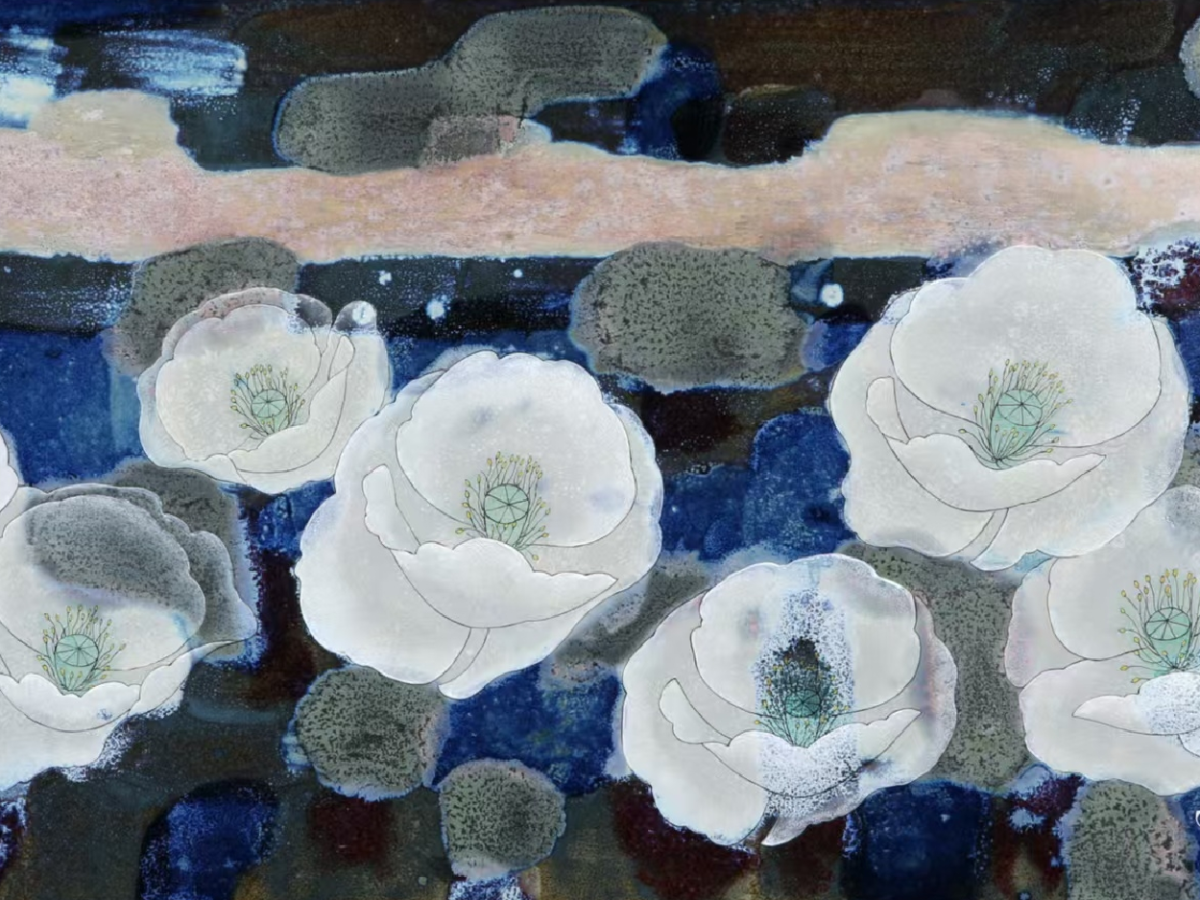
Porcelain work illustrates a distinguished discipline class with a long background, running back legions of eras. From ancient urns to state-of-the-art exhibitions, the matter offers unique possibilities for creative manifestation. Artisans practice wide-ranging techniques – including coiling, wheel shaping, and developed firing processes – to fashion humble silt into beautiful three-dimensional creations. The resilience of fired stoneware also contributes to its status as a truly noteworthy part of human society.
Exploring Pottery Panel Styles and Procedures
The area of ceramic badge design offers a sizable array of resourceful possibilities. Artists often employ a mixture of classic and innovative techniques to form visually eye-catching pieces. These can cover from simple, engraved reliefs to complex, multi-layered designs. Widely practiced methods include shape forming, hand building, glaze application – which can involve various styles like sub-glaze artwork, final glaze adornment, and scraped artwork where designs are highlighted by excavating a layer of surface. Extra analysis into decorative coatings such as quick baking and gloss finish can generate truly remarkable and customized brick shields.
- Template Making - Making pieces using a pattern
- Sculpting by hand - Manually manipulating the terracotta
- Surface Finishing - Layering the face with a glass-like finish
- Carved drawing - Showing designs by abrading layers
Mesmerizing Experiences: Terracotta Art Exhibits
The maturing landscape of visual arts presents exciting original avenues for viewers, and ceramic art installations are at the pinnacle of this shift. These aren't just static sculptures; they are engineered to envelop the visitor in a sensory space. Imagine navigating within a forest of towering, glazed ceramic trees, or navigating a maze of sensitive ceramic vessels. Many designers are now incorporating sound, brightness, and even aroma to enhance the vibe of their work. Envision the power of a room filled with hundreds of hand-built ceramic pieces, each telling a story. Traditionally, such installations investigate themes of flora and fauna, the past, and society.
- Those installations blur the thresholds between work and setting.
- Observing a ceramic art installation can be a deeply transformative journey.
- Designers are advancing the parameters of what is doable with clay.
This Splendor of the Clay Jar: Meaning and Structure
The terracotta pot represents a notable conjunction of usefulness and imaginative appeal. Historically, these containers served a minimalist assignment in containing substances, but their expansion has transformed them into highly valued works of craft. Each work showcases the know-how of the craftsman, demonstrating how structure can be as meaningful as function. The precise shaping, the individual glazes, and the aggregate presence of a beautifully-crafted jar can boost a space, offering both beauty and a understated reminder of the artisan’s hand.
State-of-the-art Pottery Work : Reaching Margins
Current clay creation represents a fascinating transformation from ancestral practices. Creators are energetically testing with novel systems, mixing the lines between ceramics and diverse expressive domains. From colossal installations to elaborate miniature pieces, referenced works probe themes of identity while simultaneously rethinking the essence of what ceramics can achieve. The product is a exciting world of imaginative representation.
Pottery Inscription: Maintaining Tradition in Earth
Clay plaques offer a distinctive method for recording significant events and figures. Unlike traditional metal or stone markers, these durable pieces of production are formed from processed clay, creating a real link to the preceding days. Generally, they present intricate embossments or vividly colored imagery, illustrating stories that might otherwise be forgotten. An technique, rooted Ceramic Tableware in ancient folk, provides a captivating and enduring way to commemorate our collective story.
- The mentioned can be set in common spaces.
- Numerous are now considered historical valuables.
Stoneware Art Creations: Redefining Places
Stoneware art installations are becoming a powerful medium for artisans to remodel public and private venues. These immersive compositions frequently involve extensive clay objects that draw viewers, transforming their experience of the developed environment. By incorporating diverse procedures like slab forming and advanced firing approaches, ceramic artists create truly singular experiences, dissolving the frontiers between creation and venue. The product is often a poignant conversion that enhances the creative quality of the setting and initiates reflection.
Genesis Turning Device to Awe: The Skill of the Stoneware Container
The journey of a porcelain container from a simple lump of dirt to a complete work of expression is a testament to human skill. Originally, the process begins with the potter’s rotating tool, where the knowledgeable artisan crafts the rotary mud into a cylindrical contour. This foundational process demands cleverness and a sensitive eye, followed by a delicate setting period. Once raw-fired, the pot is ready for enhancement, which may embrace applying intricate sketches, fashioning detailed imagery, or employing a multitude of coatings. The concluding treating process then transforms the object into a durable and lovely receptacle, a tangible reflection of the maker's creativity.
Forming with Clay: A Overview to Earthenware Expression
Surveying the world of clay work begins with studying the tenets of sculpting with earthenware. This particular system calls for precisely composing and subtracting substance to construct three-dimensional items. Regardless of you're a learner or a expert sculptor, engaging with alternative genres of brick – namely earthenware – will help you discover your individual approach. Finally, pottery pottery is a fulfilling adventure that unites technical skill with creative expression.