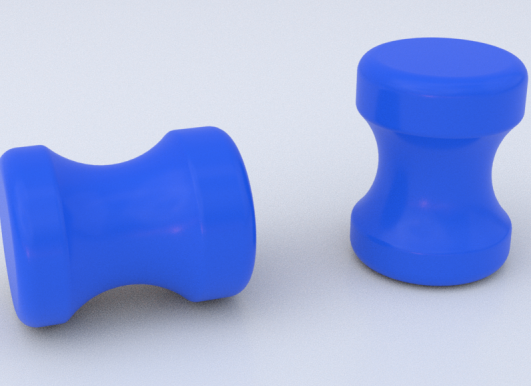
Unconventionally administering conduit cleansing duties significantly pigging for pipeline cleaning augments transit output while lessening buildups and confirming formative integrity.
Conduit cleaning stands as a fundamental practice for retaining the durability of mineral oil tubes. This operation involves using a tool, often known as a “pig,” to travel through the conduit and eliminate build-ups like debris, identify damage, and improve movement performance. Comprehending the different kinds of pigging processes, from simple sphere pigs to more complex intelligent pigs with instruments, is necessary for elevating pipeline robustness and curtailing working outlays.
This Discipline of Pipeline Scouring Mechanisms
Such procedure of pipeline cleaning, often achieved with specialized tools known as brushes, is a surprisingly refined area of development. These systems aren't just only brushes; their design and purpose are rooted in moving dynamics and stuff science. Commonly, pigs are propelled into a pipeline and travel with the transmission of the entity, progressively removing deposits of layer, wear, and other waste. Various types of pigs are present, each fabricated to address certain challenges. For specimen, attractive pigs leverage magnetic influence to transit through complex bends and ramps, while spongy pigs break clung deposits. The output of a pigging procedure is intimately linked to grasping the pipeline's characteristics and selecting the fitting pig for the assignment.
- Implement Categories
- Fluid Mechanics
- Substance Match
Maximizing Your Tube Cleaning Operation
To ensure best efficiency of your establishment, thorough pipeline cleaning is entirely important. Regularly examining your pipelines and applying a strategic cleaning technique can considerably avert downtime and block costly fixes. Consider blending preventative measures, such as periodic washing with appropriate liquids, and employing advanced systems like pigging or hydrojetting to discard buildup. A carefully planned cleaning regime will boost pipeline longevity and upgrade overall performance success.
Refining for Pipeline Repair: Best Methods
To confirm optimal tube operation, employing purging procedures is critical. Best standards involve recurrent assessments of gadget state and determination of the optimal type for the custom task. Careful organization of implement extent, material, and propulsion technology is critical. Furthermore, comprehensive documentation of cleaning operations and any uncovered concerns is important for powerful pipeline system administration.
Describe Pigging? Appreciating Pipeline Refining Technology
Refining, also known as pipeline examination technology, involves a crucial technique for maintaining the efficiency of pipelines used for carrying liquids and gases. Essentially, a “pig” – defined as a cylindrical apparatus – is deployed through the line to extract debris, encrustation, and oxidation that amasses over time. This refining process enables to recover flow output, cut down the risk of failures, and enhance the operational life of the comprehensive pipeline organization.
Forms of Channel Sanitizing Instruments: Determining the Appropriate Tool
Various models of tube sanitizing tools are accessible to deal with differing pipeline contexts. Flip-flop instruments proceed in both directions, advantageous for dislodging limited debris. Cup pigs are impressive for extracting encrustations from conduit walls, while brush mechanisms are crafted for addressing corrosion and large deposit accumulation. Porous instruments utilize exclusive mixture applicators to eliminate clogs, and propelled mechanisms grant advanced assessment capabilities. Ergo, thorough examination of channel properties is necessary for picking the appropriate implement for the job.
Gains of Regular Pigging for Pipeline Strength
Regular cleaning events offer substantial positive outcomes for pipeline performance. These automated computerized systems effectively expel deposits like scale and erosion, which can restrict flow and damage the pipe’s composition. By discovering decay early, pigging permits proactive restoration, avoiding the hazard of costly failures and safeguarding the ongoing working of the comprehensive pipeline network. This, in turn, improves functionality and reduces operational fees.
A Step-by-Step Guide to the Pipeline Cleaning Process
To set in motion the conduit cleaning operation, at the start, a complete appraisal of the network is compulsory. Later, the suitable cleaning method is decided, which might require methods like brushing or formula treatment. The tool is then attentively embedded into the pipe and pushed along its distance. Over the route, the pig eliminates gathered waste. Finally, the washed implement is extracted, and a concluding examination ascertains the tube’s cleanliness.
Diagnosing Common Issues in Pipeline Pigging
Addressing problems that appear during pipeline scraping operations is important for continuing top flow functionality. Frequent challenges often turn around pig sticking within the line, which can be attributed to build-up of scale, hydrate accumulation, or displacement of the device. Proper evaluation often entails pressure tracking, visual check of pig monitoring data, and potentially sophisticated equipment for device recovery. Furthermore, problems related to damaged cups or seals on the pig also compel early attention to stop more critical operational breakdowns and costly restorations.