Across the expanse of historic epochs,
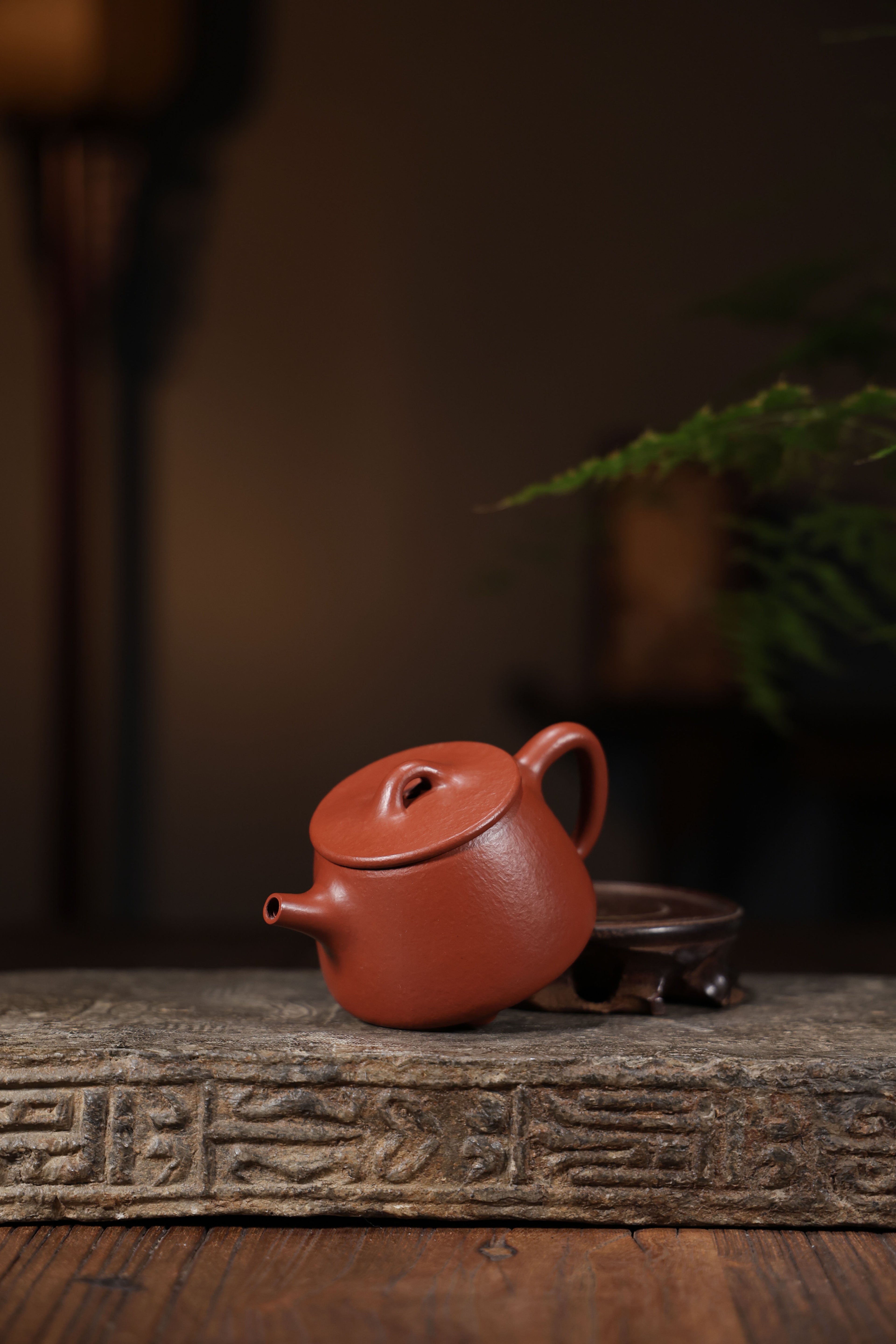
Amidst ages, admirers have been engaged by the distinctive charm of Yixing Zisha vessels. Originating from the area of Yixing in the mainland, these pots are renowned for their remarkable beauty, exclusive clay, and built-in ability to elevate the bouquet of the steeping. The substratum's distinctive mulberry hue, combined with the skillful production of environmental fabricators, creates works that are jointly functional objects and coveted properties. Gaining a Zisha teapot is more than just every purchase; it's adopting a rich heritage heritage.
Exploring Yixing Teapots: Origins, Varieties, and Value
Yixing teapots symbolize a vast heritage deeply intertwined with Chinese culture. Emerging in the Yixing region of Jiangsu province, these clay vessels boast a heritage stretching back to the Ming Dynasty. Early examples were functional, but throughout centuries, Yixing teapot creation evolved into an esteemed art form. The clay itself, known for its unique grain and ability to influence the flavor of the tea, is a defining factor. Yixing teapots materialize in various models, broadly categorized by shape: Timeless such as Zhuni (purple clay) and Bisheng, as well as specialized designs. The importance of a Yixing teapot turns on several factors, including the potter’s renown, the age of the piece, the rarity of the clay, and its Yixing Zisha Teapot aesthetic merit.- Story: Old ages
- Earth: Various types
- Worth Components: Potter’s reputation
Zisha Craftsmanship: Skills and Creators
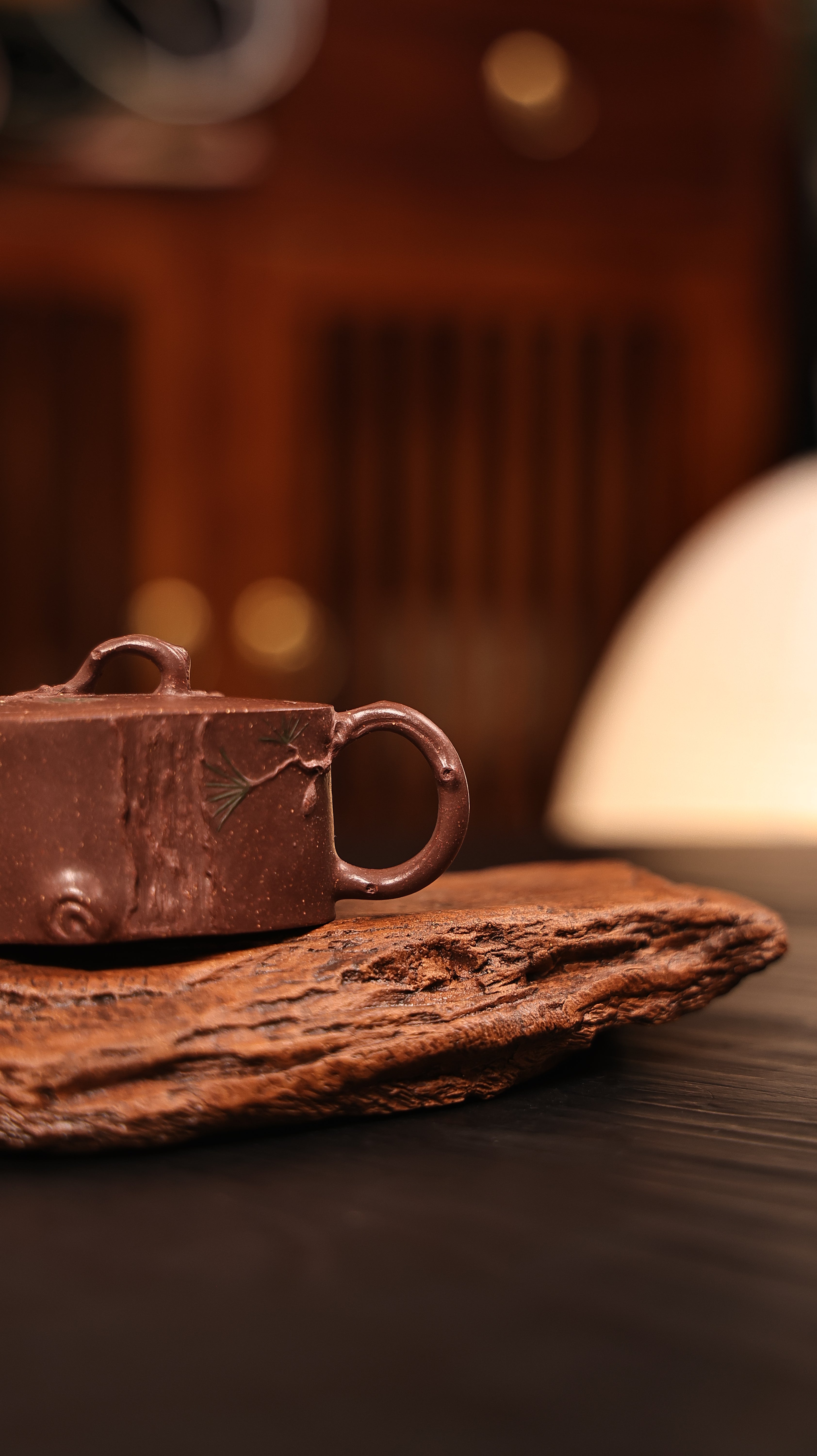
One production of a original Zisha teapot is a challenging process, requiring years of competency. Experienced artisans meticulously gather the best Zisha clay, a distinctive earth found only in specific regions of China. Heritage-based techniques, often transmitted through families, involve rigorous shaping, refined carving, and patient firing in ancient hearths. The final teapot isn't merely a jar; it's a testament to creative vision and the serious connection between the artist and their ancestry. Each piece showcases the distinctive touch of the maker, resulting in a truly unparalleled work of masterpiece.
Traditional Artefacts: Uncovering the Profound Customs of the Yixing Territory
This Yixing, placed in Jiangsu Province, is universally renowned for its exceptional containers – a tangible representation of centuries of Chinese culture. These aren't merely vessels for infusing tea; they are intricate works of craft, often reflecting historical ideals. That unique purple clay, known as Zisha, possesses remarkable qualities: it is dense, ventilated, and imparts a subtle flavor to the tea.
- Numerous ancestries have honed the techniques of Yixing earthenware making, passing down traditional methods through eras.
- Fans prize these pieces for their beauty and uniqueness.
- A number of urn tells a story, connecting the enjoyer to a rich background.
Exploring Yixing Zisha: What to Look For
As evaluating collecting Yixing Zisha earthenware, a range of factors warrant careful evaluation. Primarily, the substance's pigment is paramount; authentic Zisha traditionally exhibits a distinct reddish-brown shading. In addition, assess the technique; distinct aspects and a sleek overlay reveal accomplished production. To finish, examine the craftsman's standing; well-known names garner elevated costs and often guarantee a stable appreciation.
Zisha Pot Techniques for Tea Brewing
Infusing savory tea with a Zisha container is more exceeding a simple ritual; it's an art. Zisha clay, recognized for its unique chemical composition, imparts a soft character to the composed tea that’s often gone with other containers. The right water thermal condition is imperative; typically, less intense than what's used for black tea, to keep the tea's aroma and zest. Consider conscientiously the tea class; delicate green teas or aged pu-erhs flourish from the Zisha’s ability to soften their fundamental edge. It’s critical to preheat the teapot prior to brewing, and to neglect over-steeping. Mastering this skill leads to a sincerely exceptional tea experience.
- Realizing Zisha Clay
- Water Warmth & Kind of Tea
- Significance of Pre-heating
Enhancing Your Yixing Earthenware
So as to ensure the continuity of your beautiful Yixing jar, routine upkeep is decisively crucial. Never using abrasives; instead, delicately bathe it with tepid hydrous medium. Shun sudden variations; don't position the clay pot directly onto a burning area. Periodically, enrich the clay pot by percolating it with fine matured brew, as this facilitates to enhance its essence and protects the singular qualities of the earth.
With respect to Soil to Chalice: The Path of a Renowned Teapot
This creation of a Zisha teapot is a extraordinary method, a proof to both nature's bounty and the ability of the specialist. It starts with the precise extraction of the extraordinary clay from the purple Zisha mines adjacent to Yixing. This pure material, known for its exceptional attributes, is then methodically clarified and shaped for the preliminary forming. The bottle’s form is adeptly built using a concoction of time-honored molding strategies, often incorporating sophisticated patterns. Following maturing, the jar undergoes a indispensable first firing, followed by a surface treatment stage, which might involve numerous layers of genuine Zisha overlays. Finally, a second, and sometimes third, firing at maximum temperatures brings the creation, revealing its complete beauty and remarkable characteristics - a legitimate masterpiece, poised to decorate a tea custom.
{Yixing Teapots: A Symbol of Chinese Tradition and Esteem
Renowned Yixing teapots, originating from the well-known Yixing region of Jiangsu province, are far more than mere wares for brewing elixirs; they represent a meaningful aspect of Chinese civilization. Constructed from distinctive purple clay – zisha – these special teapots are highly admired for their ability to refine the flavor of the tea and, crucially, for their elegance. The chronicle of Yixing teapot making spans centuries, and the technique involved is entrusted through generations, making each teapot a decorative item that embodies traditional techniques and a profound appreciation for the minimalist pleasures in life.