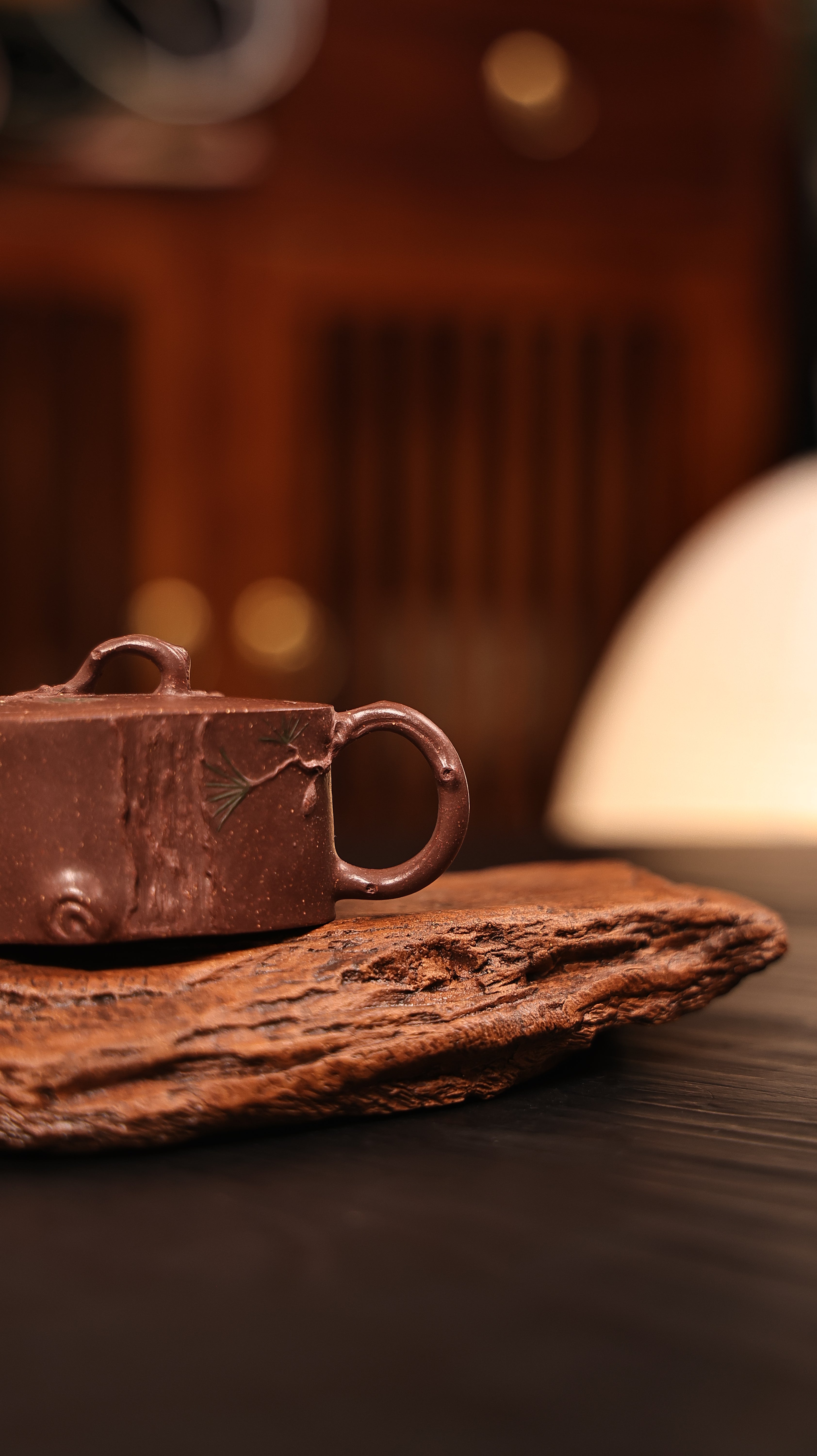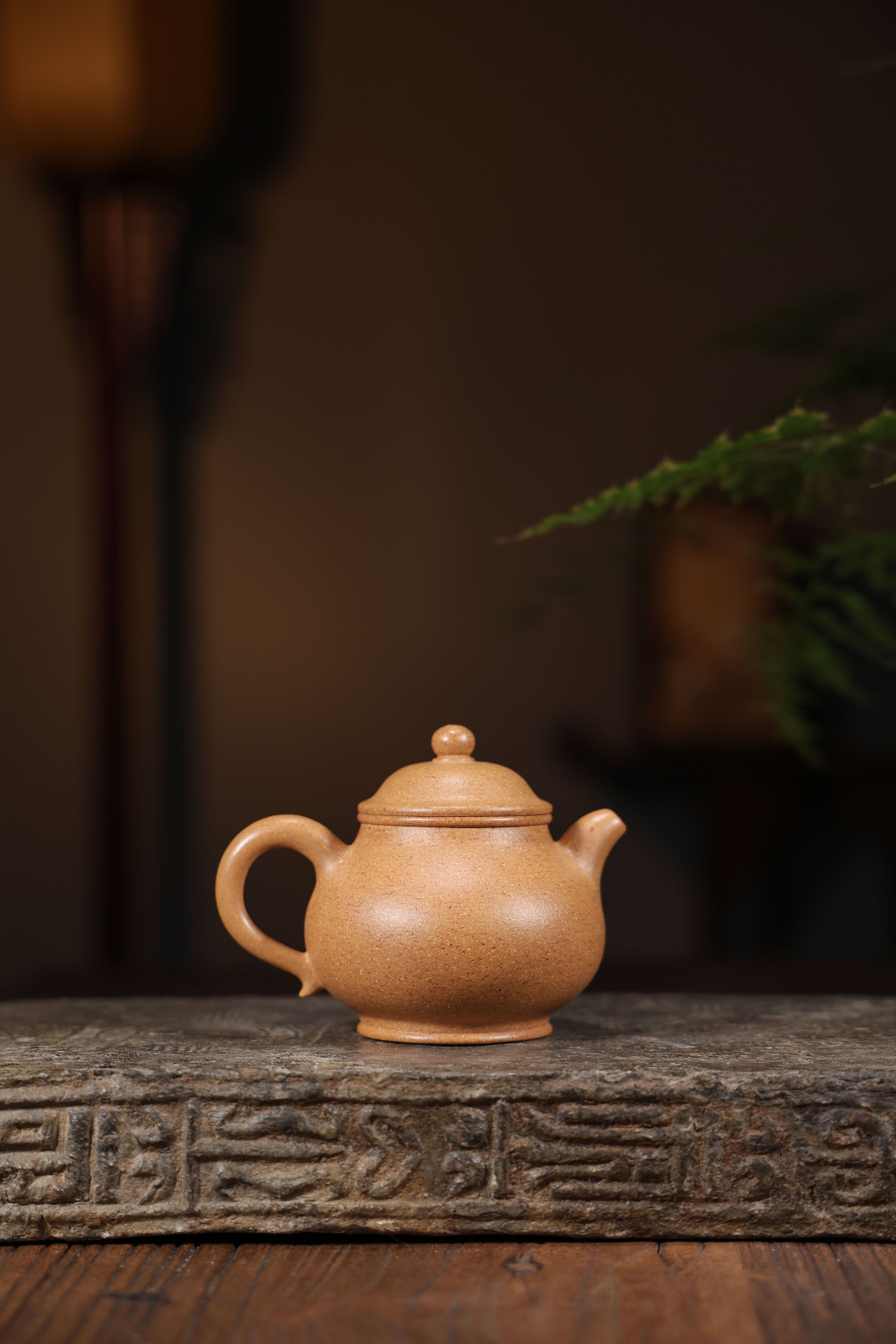
Lasting inheritance expresses Huaihai jugs for centuries,
Reflecting peculiar characteristics collected through homegrown mauve minerals, those earthenwares gain a finish through utilization, augmenting taste extracted from brewed extracts.
Unveiling Yixing Mud: Complete Insights into Zisha
Diverse collectors value the special feel of Yixing purple clay, a linchpin of conventional Chinese porcelain. Deriving from the Yixing region of Jiangsu province, this precious clay features an sophisticated mineral arrangement, such that gives exceptional qualities to the realized items. Categories within Zisha, including Zhuni Mud, Duan Ni Mud, and Jiang Xi Mud, each offers particular tints, consistencies, and baking traits, shaping the absorption and the conclusive taste maturation of the beverage.
Eastern Urn Legacies: Investigating Expertise
Far Eastern teapots embody beyond mere flasks for liquid; they symbolize centuries of customary expertise. From the classic Yixing clay variations, respected for their ventilated nature which transfers extraordinary accents to the tea, to the precise porcelain from Jingdezhen, each piece relays a legend of commitment. The making process is an careful endeavor, often relayed through generations of professionals. These craftsmen use established processes such as hand-building, casting on wheels, and adorned, demonstrating profound reverence for the component and the practice itself. Visualize the commitment invested in each piece as a symbol of Chinese craftsmanship legacy.
- Zisha jugs: a timeless pick.
- Delicate ceramics teapots: recognized for their delicate design.
- Modeling techniques: a demanding yet beneficial procedure.
Chinese Zisha Container Safeguarding: Preserving Your Precious Object
Fitting upkeep of your distinguished Yixing Zisha jar is vital to maintaining its durability. Crafted from distinct purple sand mud, these premium teapots develop a rich patina after operation, greatly boosting their allure. Stay away from agents; a soft rinse with mildly heated hydrous matter is adequate. Avoid searing water for purifying the teapot, as it may shatter its clay. Allow it to fully dry away from powerful ultraviolet exposure. Consider curing your teapot regularly using excellent tea, especially deep-flavored varieties. Here is a brief manual:
- Wash off with lukewarm moisture.
- Eschew washers.
- Facilitate it to dry completely.
- Break in with fine tea.
Heritage of Yixing Teapots: From Humble Origins
The account of Yixing teapots commences humbly during the Qing dynasty, close to the 16th age. Initially, these objects were not the coveted objects they are perceived today. They were shaped by provincial potters using the sole purple clay harvested solely in the Yixing vicinity. These early pieces were chiefly utilitarian, purposed for regular function and often plain in appearance. It was not until the later dynasty that they began to earn esteem beyond mere employable crafts.
Identifying the Appropriate Chinese Pot: A Starter's Explanation
Starting the field of Yixing teapots can be formidable, but avoid concern! For novices, the critical factor is understanding the dirt. True Yixing clay is prized for its permeability, allowing the teapot to capture the tea's note over time, amplifying every preparing session. Consider the profile; traditional orbicular shapes prevail, yet distinct preferences count. Lastly, analyze the polish—while some favor an natural appearance, others appreciate a nuanced gloss. Take your time in the acquisition process—this is an commitment in a appreciated piece of creation.
Eastern Clay Teapots and Their Importance on Chinese Infusion Culture
Zisha pitchers, derived from Yixing, China, have profoundly shaped customary Chinese drink culture. The Yixing clay teapots, prized for their singular hue, pattern, and exceptional ability to impart a subtle aroma to the potion, function as more than mere containers; they are cherished masterpieces and symbols of eminence. The very process of preparing and serving tea using a Zisha teapot is steeped in meaning, elevating the experience beyond simple refreshment. Families of artisans have evolved their techniques, passed down through families, resulting in highly esteemed pieces. As a result, Zisha teapots are frequently held, playing a crucial part in cultivating national appreciation for aesthetics and the ritual of drink ceremonies.
- Singular Clay Composition
- Providing Subtle Flavor
- Exquisite Craftsmanship
Determining Original Valuable Traditional Teapots
Buying a truthful Yixing teapot can be a rewarding experience, but the sector is often crowded with copies. Dividing between a authentic antique and a current reproduction requires thorough inspection. Key markers include the clay's coppery shade, often displaying striped decorations, and the shortage of modern firing imprints. The design should Yixing Teapot reveal natural grace, reflecting the traditional Yixing approach. Finally, checking the potter's seal is fundamental to verify certainty against published archives.
- Assess the clay's surface.
- Look for flaws, indicative of artisan quality.
- Request an advisor for verification.
Considering Purple Kettles: A Comprehensive Instruction to Zisha Evaluation
The domain of Zisha Zisha objects shows a remarkable prospect for knowledgeable buyers. Steadily, the valuation of these well-made artifacts is regulated by distinct factors, such as the grade of purple clay, the artistry of the maker, the traditional value, and, naturally, the prevailing supply. Learners should dedicate effort on exploring the multiple classes of Zisha clay—such as Frozen River, Peaceful Container, and Ruby Mud—and exploring the properties linked to each. Exact review of the container's design, shade, and mark is also mandatory to make competent evaluations when investing.