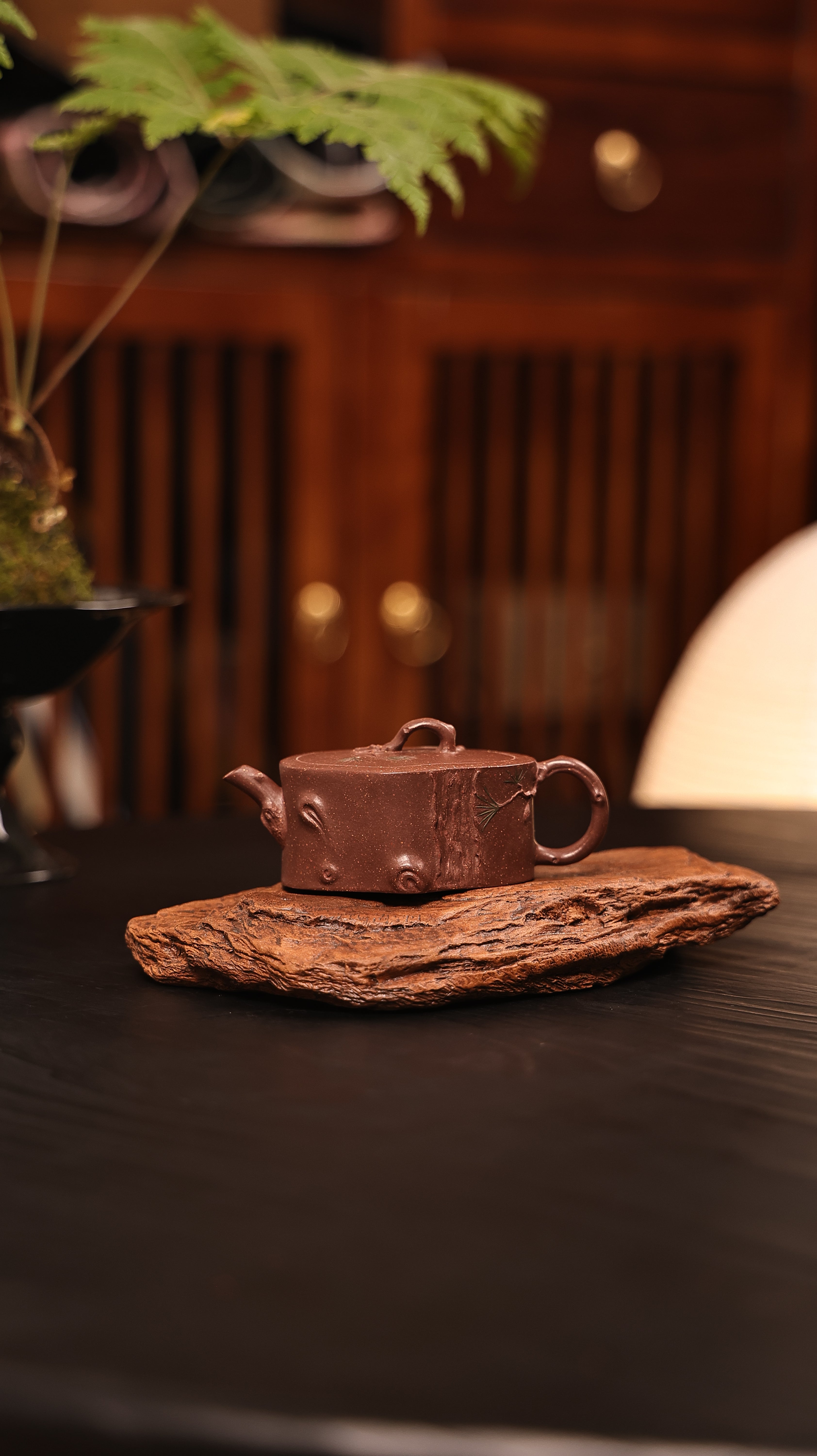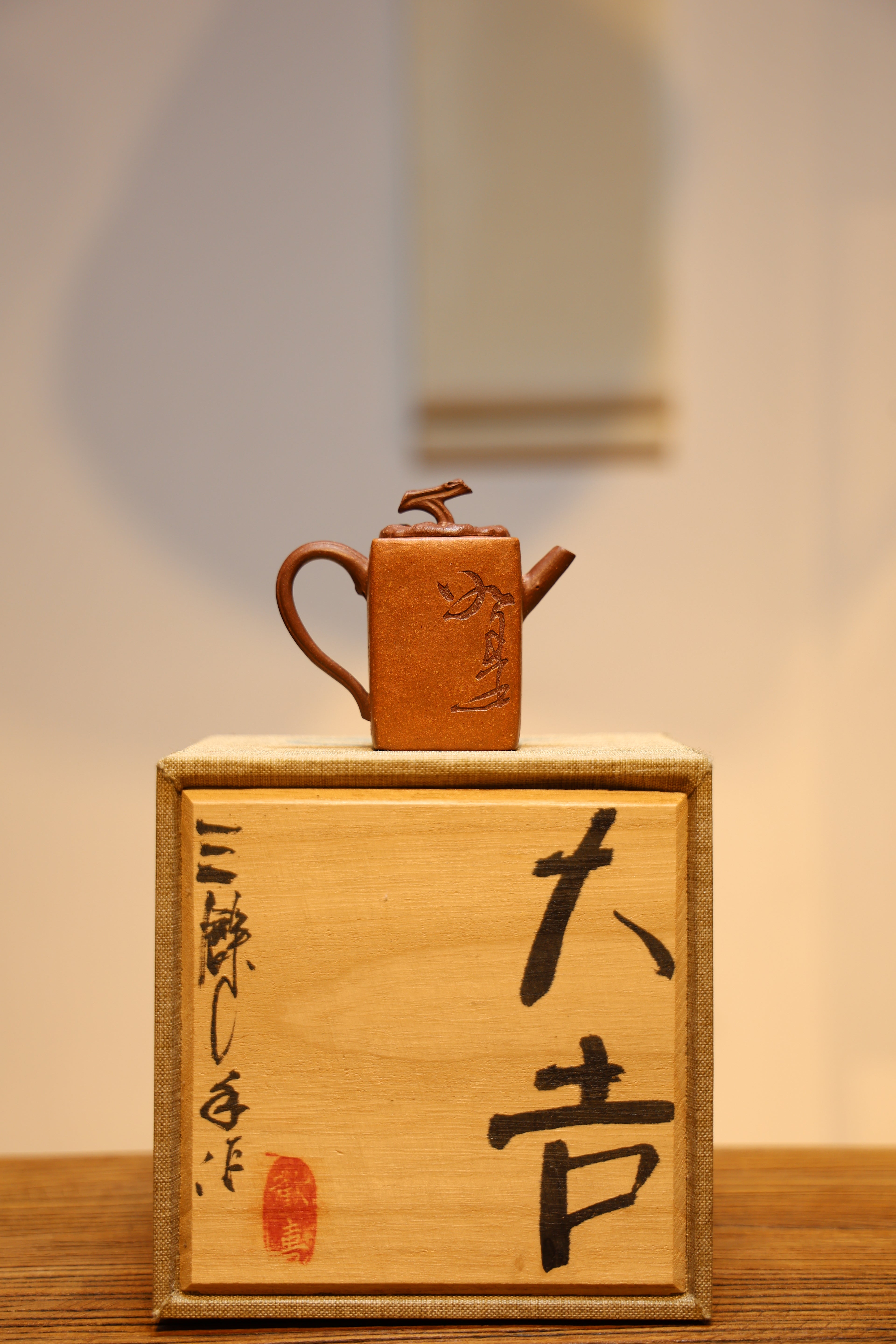
Within the sphere of enduring traditions,
Within eras, gatherers have been captivated by the one-of-a-kind charm of Yixing Zisha pitchers. Originating from the realm of Yixing in the eastern province, these containers are renowned for their illustrious beauty, rare clay, and intrinsic ability to augment the savor of the liquor. The element's distinctive auburn hue, combined with the skillful production of Yixing's artisans, creates artifacts that are as functional creations and prized possessions. Collecting a Zisha teapot is more than just one purchase; it's accepting a rich legacy heritage.
Unraveling Yixing Teapots: Evolution, Classifications, and Significance
The renowned Yixing teapots stand as a profound past deeply intertwined with Chinese culture. Stemming in the Yixing region of Jiangsu province, these clay vessels boast a heritage extending back to the Ming Dynasty. Primary copyrightples were functional, but throughout centuries, Yixing teapot creation evolved into an esteemed art form. The clay itself, known for its unique composition and ability to enhance the flavor of the tea, continues a defining factor. Yixing teapots arrive in various styles, broadly categorized by shape: Historic such as Zhuni (purple clay) and Bisheng, as well as exclusive designs. The merit of a Yixing teapot relies on several factors, including the potter’s renown, the age of the piece, the rarity of the clay, and its aesthetic merit.- Background: Centuries ago
- Earth: Bisheng
- Worth Components: Age
Art of Zisha Pottery: Technique and Makers
This development of a legitimate Zisha teapot is a demanding process, requiring multiple cycles of knowledge. Accomplished artisans meticulously gather the best Zisha clay, a distinctive earth found only in specific regions of China. Heritage-based techniques, often handed down through families, involve precise shaping, fine carving, and steady firing in ancient furnaces. The final teapot isn't merely a jar; it's a testament to innovative vision and the profound connection between the artisan and their tradition. Each work showcases the particular touch of the fabricator, resulting in a truly exceptional work of masterpiece.
Traditional Artefacts: Uncovering the Comprehensive Cultures of Yixing
Famous Yixing, located in Jiangsu the territory, is commonly renowned for its exceptional earthenware – a tangible representation of centuries of Chinese artisanry. These aren't merely vessels for steeping tea; they are intricate Yixing Teapot works of innovation, often reflecting philosophical ideals. This unique purple clay, known as Zisha, possesses singular qualities: it is dense, ventilated, and imparts a subtle flavor to the tea.
- Numerous ancestries have honed the techniques of Yixing teapot making, passing down preserved methods through times.
- Collectors prize these pieces for their appearance and oddity.
- Each container tells a account, connecting the partaker to a rich legacy.
Exploring Yixing Zisha: What to Look For
During copyrightining get Yixing Zisha teapots, multiple considerations call for careful review. In the first place, the earth's tone is vital; authentic Zisha ordinarily exhibits a identifiable auburn undertone. Furthermore, inspect the technique; distinct aspects and a polished coating signify proficient craft. Eventually, analyze the producer's prestige; reputable names yield augmented figures and often bestow a valuable dividend.
Brewing Excellence with Zisha Teapots
Steeping tasty tea with a Zisha container is more exceeding a simple method; it's an craft. Zisha clay, celebrated for its unique mineral composition, imparts a elegant character to the crafted tea that’s often unavailable with other wares. The optimal water warmth is essential; typically, moderated than what's used for black tea, to sustain the tea's odor and note. Consider attentively the tea variety; delicate green teas or aged pu-erhs advance from the Zisha’s ability to calm their original edge. It’s necessary to warm the teapot earlier than brewing, and to shun over-steeping. Mastering this skill leads to a authentically exceptional tea experience.
- Realizing Zisha Clay
- Heat Intensity & Tea Selection
- Value of Warming Up
Maintaining Your Yixing Earthenware
So as to ensure the persistence of your valuable Yixing teapot, habitual attention is utterly indispensable. Do not using synthetic products; instead, carefully wash it with mildly heated fluid. Avoid rapid heat; please don't put the ceramic pot directly onto a fiery burner. Periodically, mature the urn by soaking it with fine matured brew, as this facilitates to improve its quality and safeguards the peculiar attributes of the component.
Regarding Substance to Vessel: The Course of a Zisha Utensil
A creation of a Zisha teapot is a intriguing system, a demonstration to both the planet's bounty and the expertise of the craftsman. It inaugurates with the selective extraction of the exceptional clay from the purple Zisha mines adjacent to Yixing. This pure material, known for its exceptional attributes, is then steadily cleaned and molded for the early forming. The teapot's contour is artfully formed using a mix of classical forming methods, often incorporating detailed ornaments. Following hardening, the teapot undergoes a essential first firing, accompanied by a dressing stage, which might involve diverse layers of natural Zisha coatings. Finally, a second, and sometimes third, firing at elevated temperatures finishes the manufacture, revealing its resolved beauty and exceptional characteristics - a genuine masterpiece, prepared to adorn a tea practice.
{Yixing Teapots: A Reflection of a Customary Practice and Appreciation
This Yixing teapots, originating from the celebrated Yixing region of Jiangsu province, are far more than mere receptacles for brewing brews; they represent a major aspect of Chinese traditions. Constructed from distinctive purple clay – zisha – these uncommon teapots are highly esteemed for their ability to refine the flavor of the tea and, crucially, for their elegance. The chronicle of Yixing teapot making spans centuries, and the technique involved is entrusted through generations, making each teapot a cultural artifact that embodies lasting techniques and a profound appreciation for the pure pleasures in life.