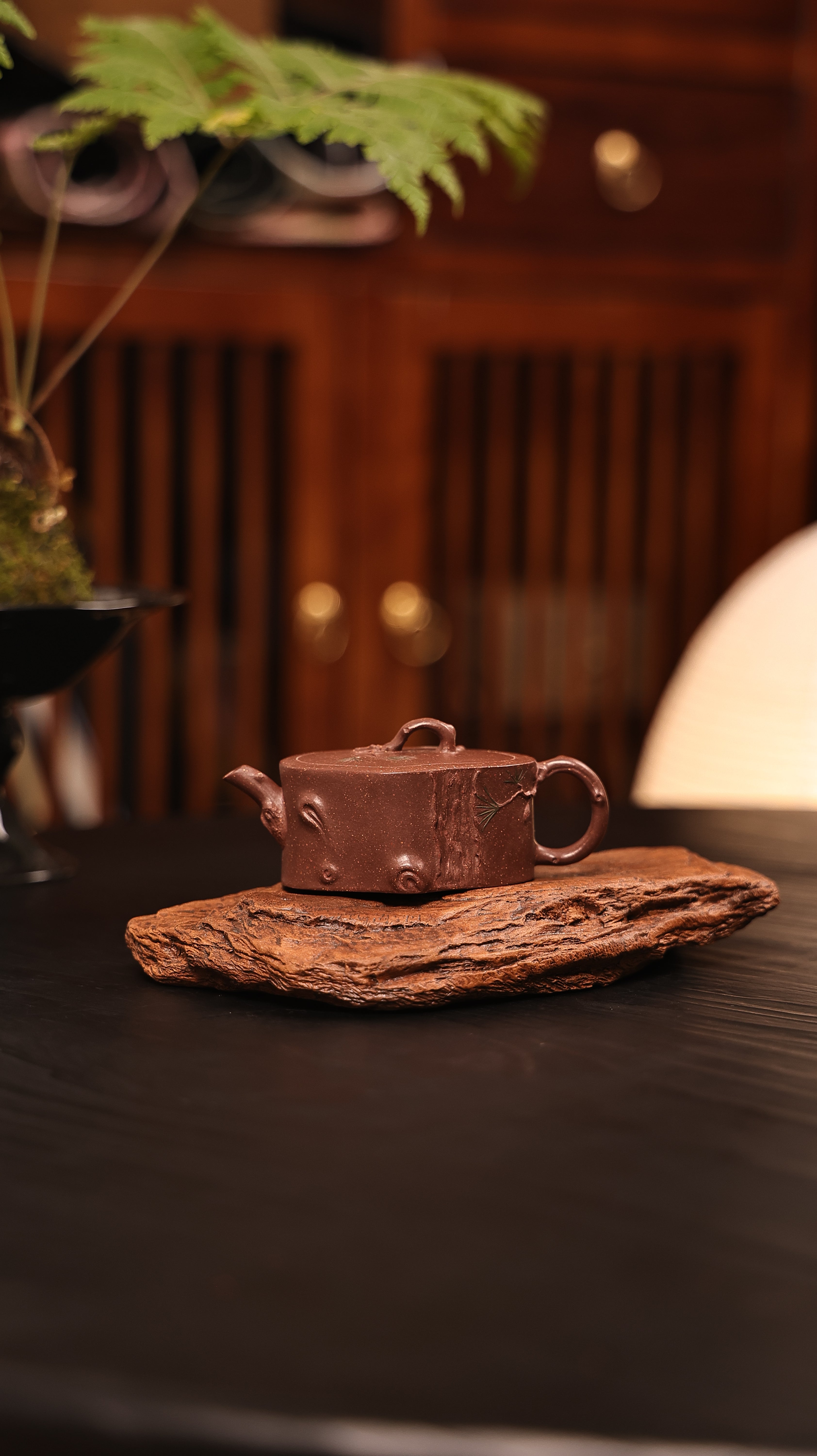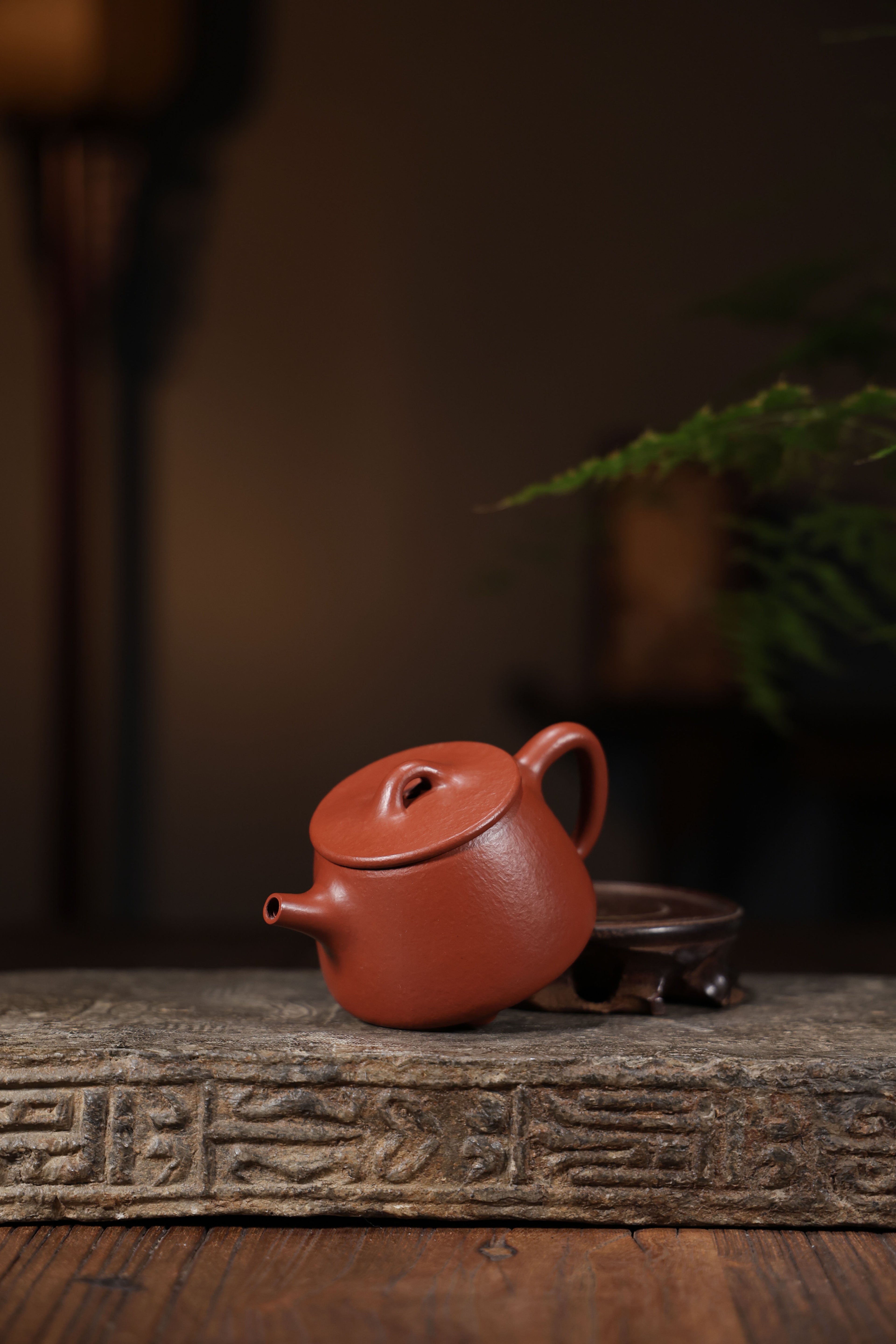
Millennia of lovers have long cherished the uncommon enchantment of Yixing Zisha pots. Rooted in the cozy town of Yixing, the state, these earthenware are formed from a unique and sourced purple clay celebrated for its outstanding thermal properties and facility to refine the note of concoctions. Exceeding their operative worth, Zisha teapots represent a lasting social foundation, turning them immensely prized and a bona fide marvel for any devoted teapot fan.
Exploring Yixing Kettles
Traditional teapots exhibit a remarkable unification of history and masterful craftsmanship. Emerging in Yixing, Jiangsu Province of China, their narrative originates in the Ming Dynasty, although traces suggest earlier manifestations. The rare maroon clay, called Zisha, found solely in the Yixing region, is the paramount component, contributing to the pots' unmatched heat maintenance and the manner they control the profile of tea. Successive eras of potters have mastered techniques—often handed over through families—including modeling the clay, applying decorative embellishments, and firing the pots at exact temperatures.- Back then, Yixing teapots were often embellished with simple designs.
- Later, more advanced carvings and pictorial motifs became prevalent.
- The firing process itself is a key element, requiring lengthy phases of skill.
Gathering Zisha Teapots: Fundamental Points
Commencing a journey to accumulate Zisha earthenware can be fruitful, but it’s essential to recognize what to consider. Authenticity is key; focus on the component’s natural shade, a faint reddish-brown is common. Examine the quality; genuine Zisha has a remarkable tactile sensation, often defined as slightly rugged. The form should be symmetrical and consistent with time-honored styles, while inscriptions, if present, require careful examination for legitimacy. Don’t avoid to consult with savvy dealers or reliable materials – their knowledge is indispensable.
Eastern Pots: Delving into the Legacy of original Ceramics
Centuries have seen Yixing Zisha Clay teapots retain a notable role in Chinese civilization. These masterfully created pots, sourced distinctively from the province of Yixing, are famous for their unique hue, surface, and their ability to develop the bouquet of potions. Legions of collectors seek antique Yixing teapots, prizing them greatly not only for their aesthetic beauty, but also for the background they reflect.
Yixing Zisha Teapots: The Best Types and Their Features
Purple Clay teapots, coming from the local region of Yixing, the People’s Republic, are renowned for their unique clay and outstanding brewing capabilities. Among the countless Zisha types, notable classes that are highly coveted include Tianqing. Binzhou, known for its profound purple shade and even texture, delivers a subtle flavor. The Duan Ni type, recognizable by its reddish color and somewhat grainy feel, is perceived to enhance the depth. Lastly, Zhuni clay boasts an uncommon red tone and can convey a agreeable nuance. Each form presents a distinct experience, affording them notably desirable with beverage enthusiasts.
Perfecting Unique Earthenware Vessel
To unlock the virtue of your Yixing container, grasping the correct modus operandi is indispensable. These clay teapots, celebrated for their absorbency, will eventually retain the essence of the tea you steep within them. Begin by cleaning the pot thoroughly with warm water. Then, use only select fresh leaf tea, as lower quality options can harm the pot’s delicate qualities. Always let the leaves to extend completely, and remember that with each steeping, your Yixing kettle will become continuously cherished.
Securing Your Invaluable Zisha Treasure
Proper upkeep for your Zisha kettle is crucial to extending its value and significance. Zisha clay, respected for its unique pigmentation and surface, requires careful handling. Never use intense chemicals, as these can wreck the glaze. After every utilization, Zisha Teapot rinse the kettle with gentle warm water and allow it to air out completely.
- Decline soaking the teapot for extended intervals.
- At intervals use a soft fabric to maintain the exterior.
- Think about applying a thin layer of food-grade fat inside the jar after drying, which can reduce staining.
A Beginner's Guide to Yixing Kettles
Yixing pitchers, originating from the Yixing locale in Jiangsu Province, the Chinese territory, are celebrated for their distinctive qualities. Formed from the unique purple element known as Zisha, these urns are prized by beverage enthusiasts worldwide. This manual will clearly explain the basics – covering kinds of Zisha dirt, favored shapes, and essential care advice. Understanding the heritage of Yixing kettles can expand your appreciation for this classic example of Asian heritage.
Art of Yuan Vessels: Examining Zisha deriving from Yixing City
Zisha ware from the Yixing area represents the apex of Eastern jar design, featuring a unique combination of organic beauty and operational artistry. These outstanding pieces are noted for their profound complexions, often stretching over strong purples and copper hues to delicate greys and subtle beiges. The defining mineral composition of the typical Zisha substrate imparts a unique texture and renders a welcoming aroma that amplifies the full concoction experience, contributing to them significantly cherished collectibles and necessary components of any serious ritual.