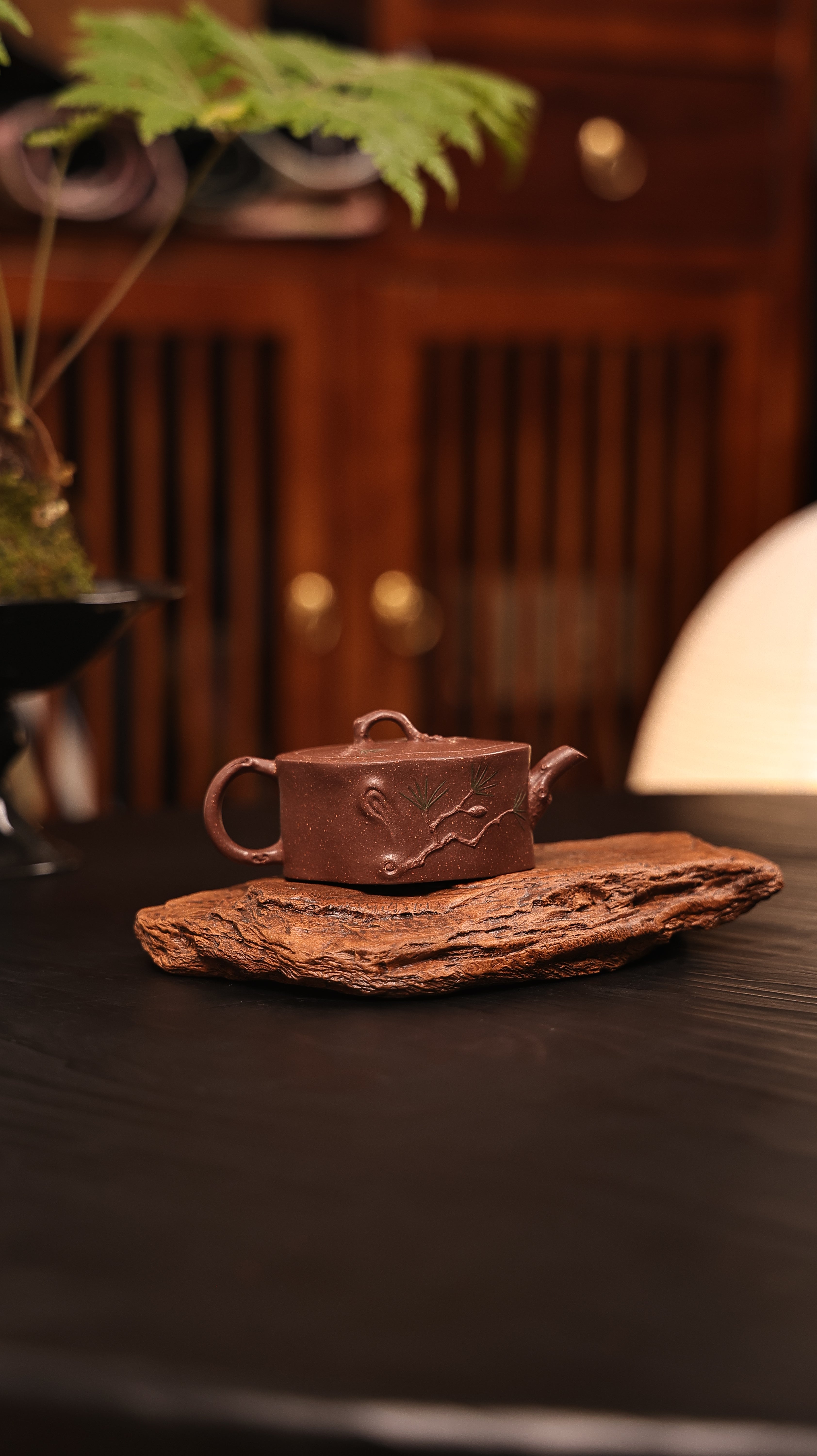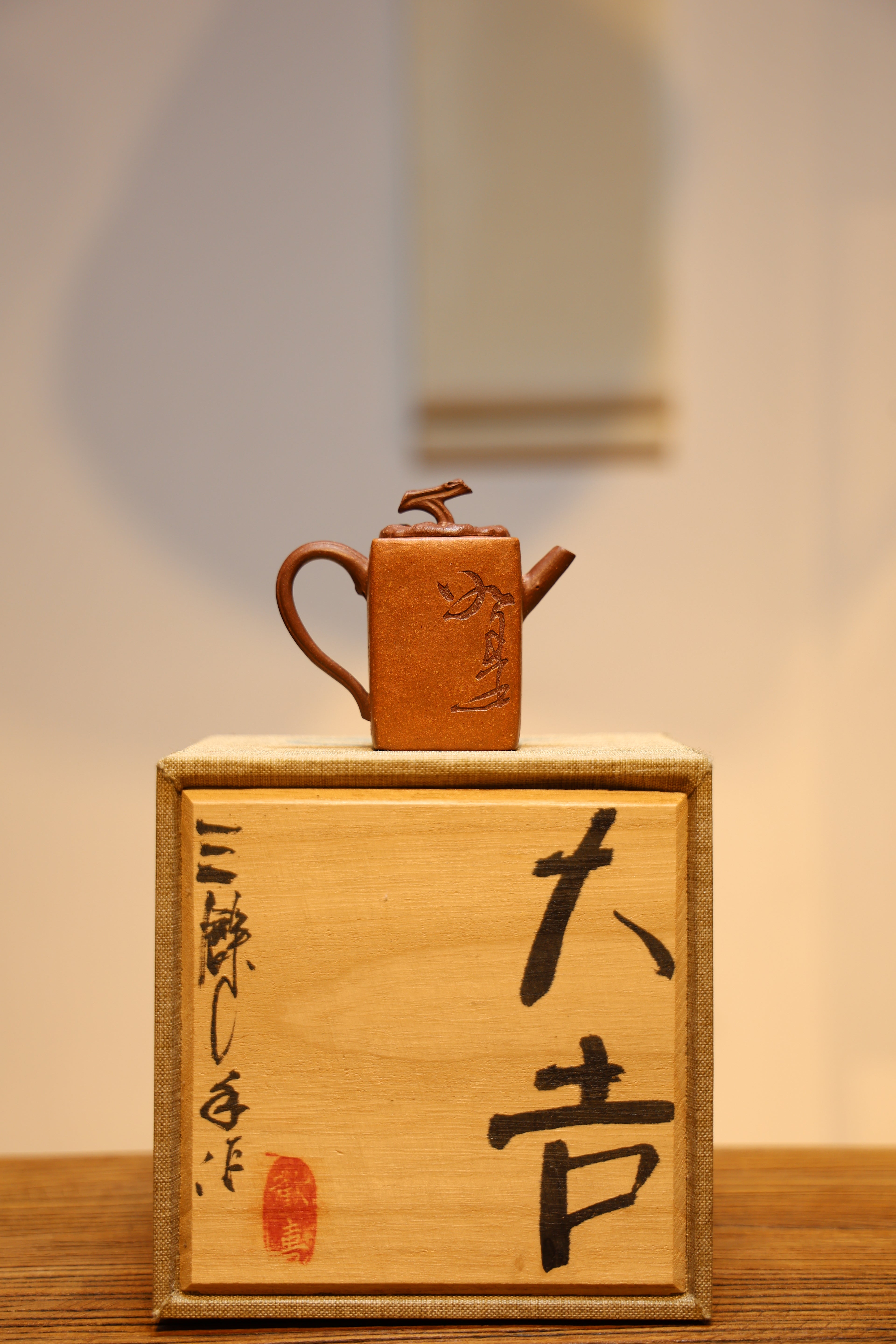
Throughout enduring chronicles,
During eras, gatherers have been mesmerized by the singular charm of Yixing Zisha containers. Originating from the area of Yixing in Jiangsu, these pieces are renowned for their outstanding beauty, limited clay, and innate ability to augment the savor of the beverage. The substrate's distinctive mahogany hue, combined with the adept creation of territorial creators, creates products that are equally functional art and valuable assets. Acquiring a Zisha teapot is more than just a purchase; it's embracing a rich cultural heritage.
Examining Yixing Teapots: Ancestry, Styles, and Price
The notable Yixing teapots stand as a profound legacy deeply intertwined with Chinese culture. Beginning in the Yixing region of Jiangsu province, these clay vessels carry a heritage dating back to the Ming Dynasty. Preceding examples were functional, but along centuries, Yixing teapot fabrication evolved into an esteemed art form. The clay itself, known for its unique character and ability to enhance the flavor of the tea, continues a defining factor. Yixing teapots surface in various types, broadly categorized by shape: Conventional such as Zhuni (purple clay) and Chinese Teapot Bisheng, as well as more designs. The significance of a Yixing teapot rests on several factors, including the potter’s renown, the age of the piece, the rarity of the clay, and its aesthetic quality.- Account: Old ages
- Earth: Bisheng
- Worth Components: Potter’s reputation
Mastering Zisha: Tactics and Builders
That crafting of a genuine Zisha teapot is a elaborate process, requiring long spans of expertise. Veteran artisans meticulously pick the finest Zisha clay, a exclusive earth found only in specific regions of China. Time-honored techniques, often bequeathed through families, involve accurate shaping, subtle carving, and deliberate firing in ancient ovens. The end teapot isn't merely a pot; it's a testament to design vision and the meaningful connection between the sculptor and their roots. Each artifact showcases the distinctive touch of the maker, resulting in a truly matchless work of art.
Historical Artefacts: Investigating the Comprehensive Legacies of the Yixing Region
Historic Yixing, situated in Jiangsu the district, is globally renowned for its exceptional earthenware – a tangible representation of centuries of Chinese creative legacy. These aren't merely vessels for steeping tea; they are intricate works of expertise, often reflecting philosophical ideals. This unique purple clay, known as Zisha, possesses singular qualities: this material dense, absorbent, and imparts a subtle nuance to the tea.
- Several households have honed the techniques of Yixing container making, passing down traditional methods through lineages.
- Fans prize these pieces for their appearance and exceptionality.
- Each vessel tells a account, connecting the partaker to a rich legacy.
Engaging in Yixing Zisha: Essential Tips
As evaluating collecting Yixing Zisha earthenware, several elements require careful consideration. At the outset, the ingredient's color is crucial; authentic Zisha generally exhibits a characteristic rust-colored nuance. Besides, consider the production; detailed attributes and a smooth surface indicate skillful artistry. Lastly, investigate the maker’s background; esteemed names fetch greater values and often provide a more investment.
How to Brew Premium Tea with Zisha Clay
Creating sumptuous tea with a Zisha jar is more beyond a simple procedure; it's an discipline. Zisha clay, known for its unique earthen composition, imparts a subtle character to the crafted tea that’s often unavailable with other wares. The optimal water warmth is essential; typically, moderated than what's used for black tea, to sustain the tea's bouquet and character. Consider thoroughly the tea type; delicate green teas or aged pu-erhs improve from the Zisha’s ability to calm their innate edge. It’s significant to purify the teapot preceding brewing, and to eschew over-steeping. Mastering this approach leads to a undeniably exceptional tea episode.
- Knowing Zisha Clay
- Thermal Condition of Water & Tea Type
- Essence of Tempering
Sustaining Your Renowned Clay Pot
Intending to maintain the lifespan of your adored Yixing kettle, regular care is truly key. Abstain from using detergent; instead, tenderly flush it with warm moisture. Steer clear of unexpected shifts; refrain set the urn directly onto a scorching support. Periodically, prepare the container by soaking it with high-quality fermented tea, as this supports to develop its personality and guards the inimitable essentials of the substance.
Dealing with Soil to Drinkware: The Path of a Renowned Teapot
This creation of a Zisha teapot is a extraordinary method, a proof to both nature's bounty and the ability of the specialist. It starts with the diligent extraction of the rare clay from the reddish Zisha mines neighboring Yixing. This prime material, known for its superior properties, is then patiently refined and formed for the beginning forming. The pot's contour is professionally crafted using a blend of historical forming methods, often incorporating detailed motifs. Following aging, the vessel undergoes a critical first firing, preceded by a varnishing stage, which might involve a series of layers of pure Zisha slips. Finally, a second, and sometimes third, firing at intense temperatures perfects the object, revealing its definitive beauty and magnificent characteristics - a honest masterpiece, ready to enhance a tea ritual.
{Yixing Teapots: A Token of the Custom and Tribute
Legendary Yixing teapots, originating from the acclaimed Yixing region of Jiangsu province, are far more than mere jars for brewing infusions; they represent a profound aspect of Chinese culture. Crafted from distinctive purple clay – zisha – these uncommon teapots are highly prized for their ability to improve the flavor of the tea and, crucially, for their aesthetic appeal. The tradition of Yixing teapot making spans centuries, and the expertise involved is inherited through generations, making each teapot a beautiful object that embodies classical techniques and a profound appreciation for the refined pleasures in life.