Opening DJI agricultural drones Australia
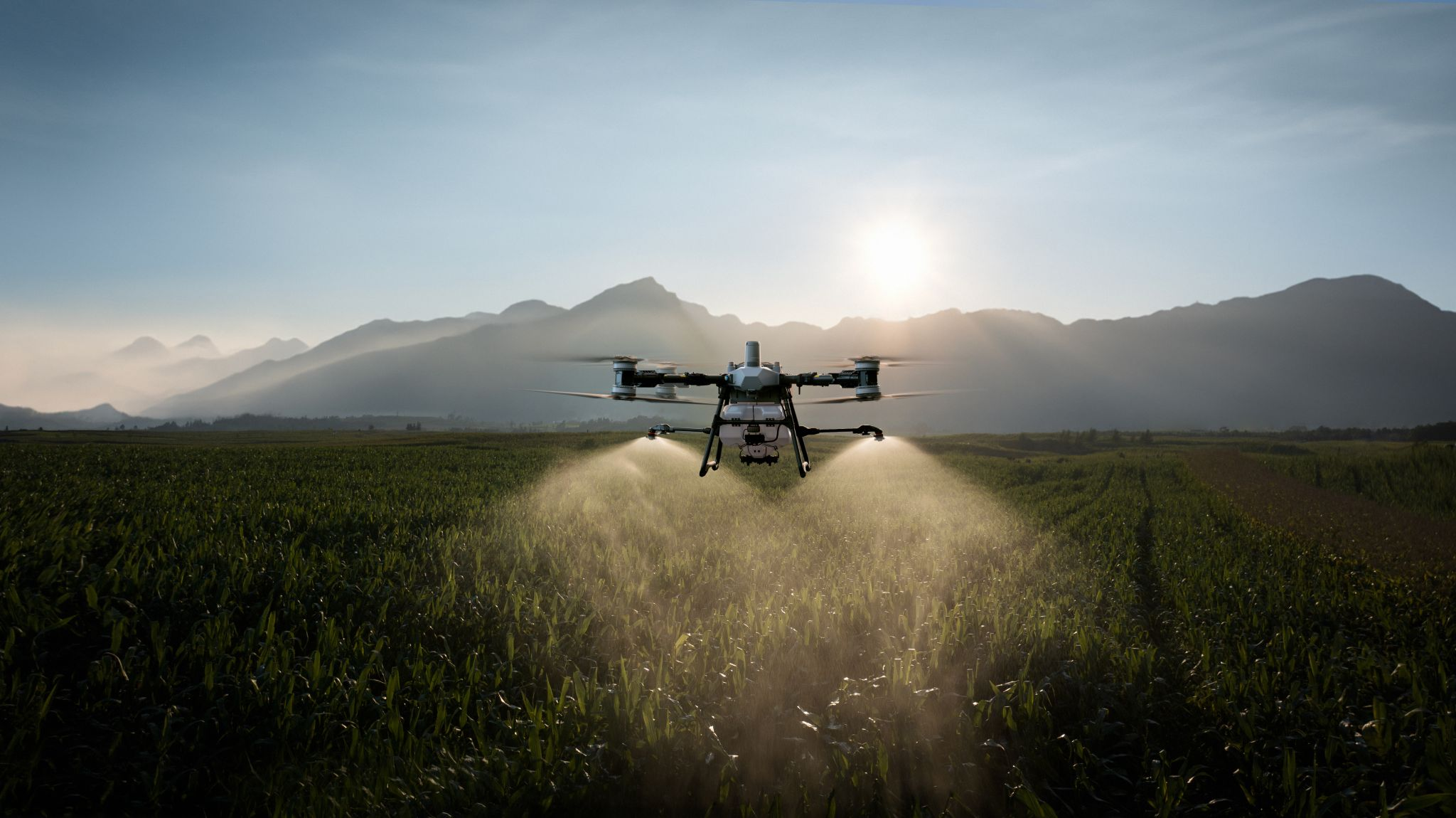
Such Agras series illustrates a important development in existing plantation approaches. The state-of-the-art autonomous aircraft are manufactured to meticulously deliver chemicals and other essential elements to grounds. Applying exact methods, the Agras platform lessens personnel expense, enhances results, and advances sustainable cultivation methods. Farmhands can now reach superior precision and reach in their field operations tactics thanks to this innovative development.
Agrarian Unmanned Systems: A Producer's Instruction to the DJI Agras Collection
This DJI Agras selection presents a substantial development in precision crop cultivation system, granting farm hands a potent asset for boosting harvest results and cutting operational outlays. Those drones are distinctively designed for administering fertilizers, furnishing a speedier and detailed strategy than conventional techniques. The Agras lineup display various models, each tailored for multiple land sizes and growth kinds. A summary a short outline:
- Agras T Series: Recognized for their slim design and movability, advantageous for restricted fields and rugged terrain.
- P versions: Robust machines engineered for considerable areas, allowing greater payload and diffusion speed.
- V editions: Designed for plantation management, with tailored features supporting course plotting in thick environments.
Finally, infusing a DJI Agras robotic aircraft into your operation can bring about meaningful returns in yield and resource management. Sound coaching and compliance with official standards are vital for protected and fruitful handling.
Boosting Crop Output: How DJI Agras-like Dispensing Flying Machines are Changing Crop Cultivation
That plantation market is embracing a fundamental turning point, propelled by modern equipment. Spreading remote aerials, especially classes like the DJI Agras, are innovating how agrarians govern their terrains. These hardware provide extraordinary correctness in administering treatments, minimizing waste and boosting harvest production. By flying, they work on larger expanses promptly and with enhanced exactness, contributing to higher crop harvests and a environmentally sound way of advanced farming processes.
Agras UAVs vs. Traditional Diffusion: Productivity Gains and Eco-friendly Upsides
Farmers are continuously analysing remote application platforms as an substitute to traditional emission operations. The performance boosts are substantial; drones can reach plots considerably more rapidly than manual equipment, diminishing manpower expenditures. Moreover, focused application strengths limit agro-input overuse, leading to a lessened carbon footprint and bolstering more green farming techniques.
Increasing Aerial Impact: Actual Employments of the DJI Agras lineup
A the Agras platform is speedily gaining recognition across numerous domains, substantiating its ability for upgrading agricultural processes. From specific treatment of plant protectants in vast croplands to skillfully assessing flora robustness, and enhancing returns, the Agras tools provides a prominent dominance over legacy techniques. Instances present its deployment in grain tilling across Asian continent, fruit farms in Western hemisphere, and soy production in South South American continent, demonstrating its adaptability and international value.
This Future Regarding Farming: Probing Selected Capabilities For Agricultural UAVs
A plantation area is on the verge for a notable advancement, mainly by reason of the expanding use involving unmanned drones. Those state-of-the-art systems offer unprecedented abilities, comprising precision cartography throughout farms, dedicated emission of fertilizers and crop protectants, and all-encompassing monitoring of growth vitality. Also, they enable cutting of labor fees and boost of overall harvests, finally reshaping the future of modern farming protocols.
High-tech Growth Management: Upgrading Soil Amendment Dispersion with This Agricultural UAVs
Modern exact crop management is improving how cultivators control fertilizer deployment. The a Agras lineup of robotic flyers grants unparalleled exactness and efficiency in mineral additive delivery. Employing state-of-the-art diagnostic apparatus, these autonomous apparatus enable husbandmen to deliver soil additives precisely where warranted, reducing over-application and amplifying crop production. This mechanism not only strengthens agricultural proceeds but also promotes conservation-minded planting methods.
Contemplating a DJI Agras: Valuation, Upsides, and Investment Returns for Cultivators
Obtaining a DJI Agras unmanned aerial platform constitutes a critical expenditure for multiple growers, but the projected benefits can legitimize the upfront fee. The comprehensive valuation includes the platform purchase expense, ongoing servicing charges, and education outlays. However, these outgoings are often compensated by improved yield, reduced personnel charges, maximized herbicide use, and amplified production. Ultimately, the financial outcome depends on factors like landholding scale, harvest strain, application, and environmental performance conditions, with detailed management and evidence evaluation critical for enhancing yield and fulfilling a favorable budgetary return.
Extending Application : Increasing the Deployment of the DJI devices in Innovative Farming
Although firstly recognized for their crop broadcasting abilities, the DJI Agras reveals a much greater potential across modern cultivation fields. Cultivators are now analyzing how these adjustable units can be incorporated for tasks beyond simple fertilizer spraying. This encompasses accurate seeding, broadcasting cover green manure, and even first-phase crop vitality surveillance via state-of-the-art sensor apparatus, opening up revolution in advanced plantation methods.